
Yen rebounds: Is Japan about to enter a rapid rate-hiking cycle?

Morning FX
The yen has recently launched a sharp counterattack — USDJPY plunged 2.3% over two trading days. The yen’s rebound is certainly related to the overall strength among Asian currencies, but this round of yen movement also shows some unique characteristics.
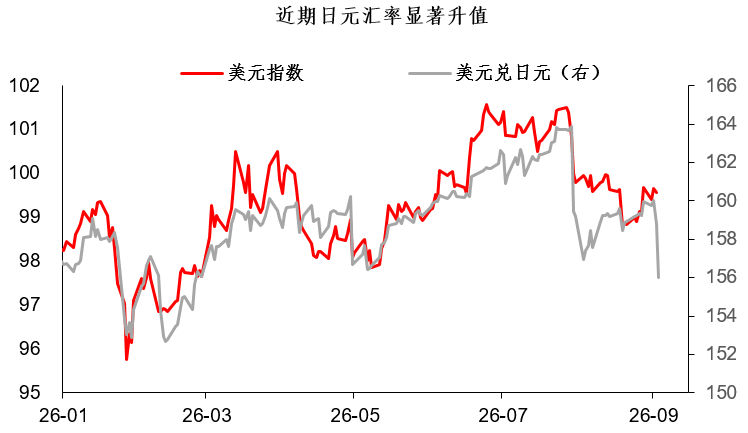
The hallmark of this yen rebound: it’s rate-driven, not intervention-driven. Despite rumors of rate checks in the market, neither trading sentiment nor official news outlets have confirmed any yen intervention. From the mapping between the currency and rates markets, soaring rate hike expectations in Japan are the main reason behind the yen’s rally.
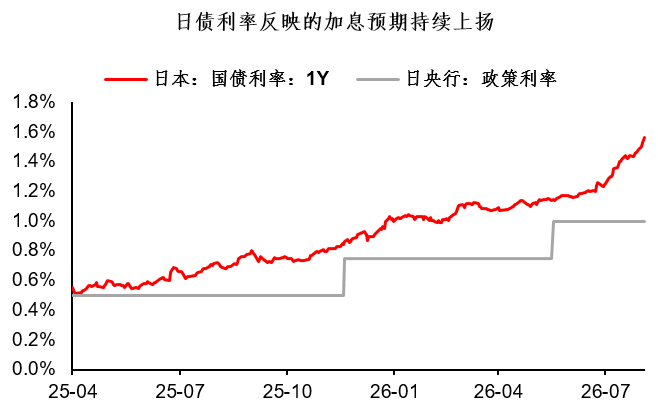
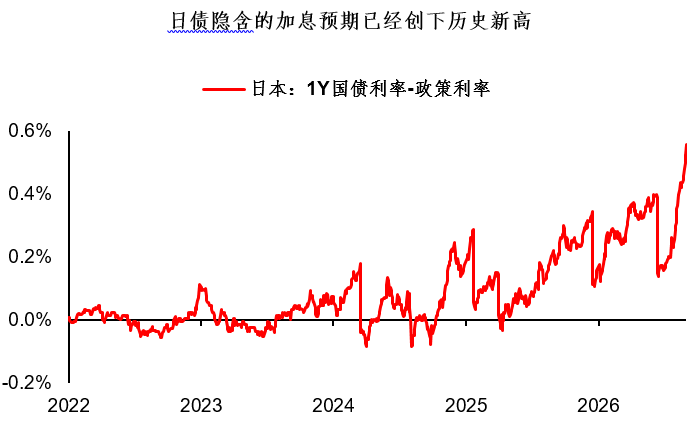
Is Japanese bonds really about to enter a rapid hike cycle? Last night, there were reports that some Japanese officials support a 50bp rate hike in September... In my opinion, the probability of the Bank of Japan hiking by 50bp is extremely low, as there are possibly only two voting members (2/9) in favor of a large hike. But even without the 50bp scenario, the Japanese bond curve is now fully pricing in four hikes within the next half year, with the end rate reaching 1.9%-2.0%.
Bear in mind, the Bank of Japan typically raises rates only 1–2 times a year, so four hikes in six months is an unprecedented pace.
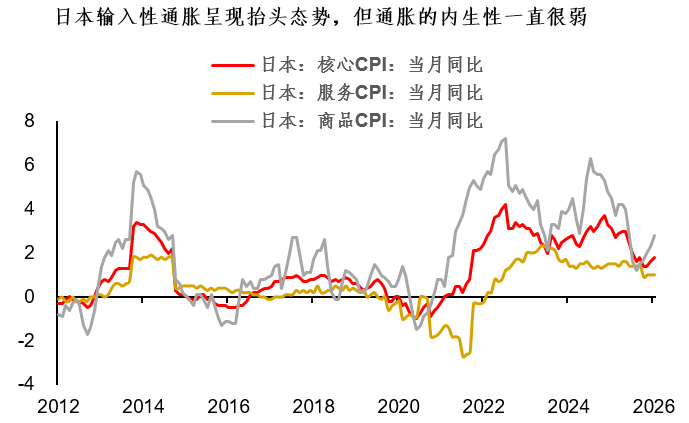
But can Japan’s economic fundamentals really support rapid hikes? I'm skeptical. This year, wage growth in Japan has been strong, and imported inflation is indeed showing signs of rising, which supports gradual and progressive hikes. However, the core issue is: endogenous inflation has always been weak, with service CPI constantly running at a low level around 1.0%. Moreover, rapid hikes would significantly increase the government’s fiscal burden. In comparison, Japan’s foundation for rate hiking is noticeably weaker than South Korea’s.
Historically, Japan did undergo a round of rapid hikes in the 1990s, but that was during the infamous bubble economy, with nominal GDP growth hitting 8%. Now, Japan’s nominal GDP growth is only 3%-4%. Is that enough to support such a fast hike pace? This is clearly questionable.
Given the overly aggressive expectations for rate hikes, USDJPY seems to have value for bottom-fishing longs, but I think it’s best to wait a bit more. First, for USDJPY, 40% depends on the yen and 60% on the dollar. Currently, the US is in a key data window. If non-farm payrolls and other stats fall short of expectations, USDJPY could drop further below 155; second, historically, September tends to see increased volatility, which is relatively unfavorable for carry trades (like being long USDJPY).
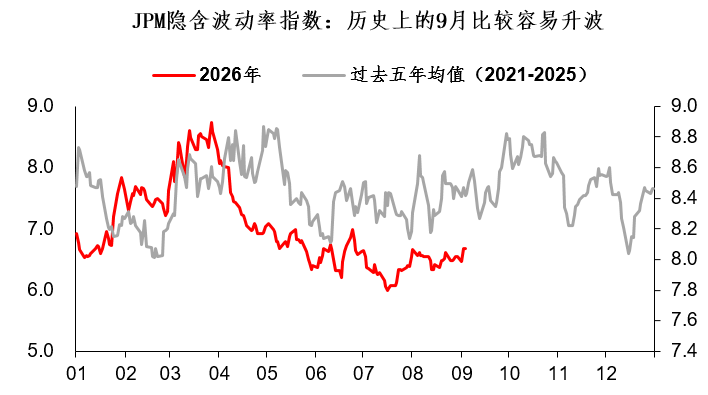
Let’s let the dust settle a bit more—the September drama is just about to start.
To sum up today’s discussion:
1. The yen has recently launched a sharp counterattack; the defining feature of this rebound is that it’s rate-driven, not intervention-driven. Even without considering a 50bp hike in September, the Japanese bond curve is fully pricing in four hikes in the next half year, with the end rate reaching 1.9%-2.0%.
2. Can Japanese economic fundamentals really support rapid hikes? I'm skeptical, because endogenous inflation in Japan has always been weak, and aggressive hikes could increase the burden for micro entities and government finances. Japan’s last aggressive hike cycle happened during the bubble economy, and today’s Japan is far removed from 1990.
3. Is it time to bottom-fish USDJPY? I think it’s best to wait a bit longer; the US is currently in a key data window, and September could well be a month of increased volatility. Let the dust settle for a while longer.
Disclaimer: The content of this article solely reflects the author's opinion and does not represent the platform in any capacity. This article is not intended to serve as a reference for making investment decisions.
You may also like
Japanese Yen sits near August highs as USD remains on the back foot ahead of US NFP
Itochu takes full ownership of used mobile device distributor We Sell Cellular
2-Yr Benchmark Govt Yields - Germany vs Other Nations
Crypto prices
More


