
Pulsar Helium Signs Contract for Geophysical Survey at Falcon Project
 MT newswire2026/10/05 10:08
06:08 AM EDT, 10/05/2026 (MT Newswires) -- Pulsar Helium (PLSR.V) has signed a contract for an airborne geophysical survey at the Falcon project in Michigan, the company said Monday. The contract with Xcalibur MPH (Canada), signed through Pulsar's subsidiary Pulsar Helium (MI), is for a geophysical survey scheduled to commence in mid-fourth quarter. The survey will test whether the geology and structural architecture that underpin Pulsar's exploration model at its Topaz helium project in Minnesota extend into Michigan and allow Pulsar to focus follow-up drilling where the geological evidence is strongest.
Disclaimer: The content of this article solely reflects the author's opinion and does not represent the platform in any capacity. This article is not intended to serve as a reference for making investment decisions.
You may also like
AI cloud startup Lambda, backed by Nvidia, races toward IPO: planning to raise up to $4 billions in the final pre-listing round, with a valuation of $14.5 billions
Cloud computing company Lambda, backed by NVIDIA, is launching its final funding round before its IPO, aiming to raise up to 4 billion US dollars.
United States Dollar Index retakes 102.00 as bulls eye YTD peak ahead of FOMC Minutes

McDonald's (MCD.US) sued over AI pricing tool, accused of facilitating algorithmic collusion among U.S. franchisees
McDonald's (MCD.US) is facing a federal lawsuit. The complaint alleges that its AI-enhanced pricing tool violates antitrust laws by sharing non-public data with franchisees who may compete in the same market.
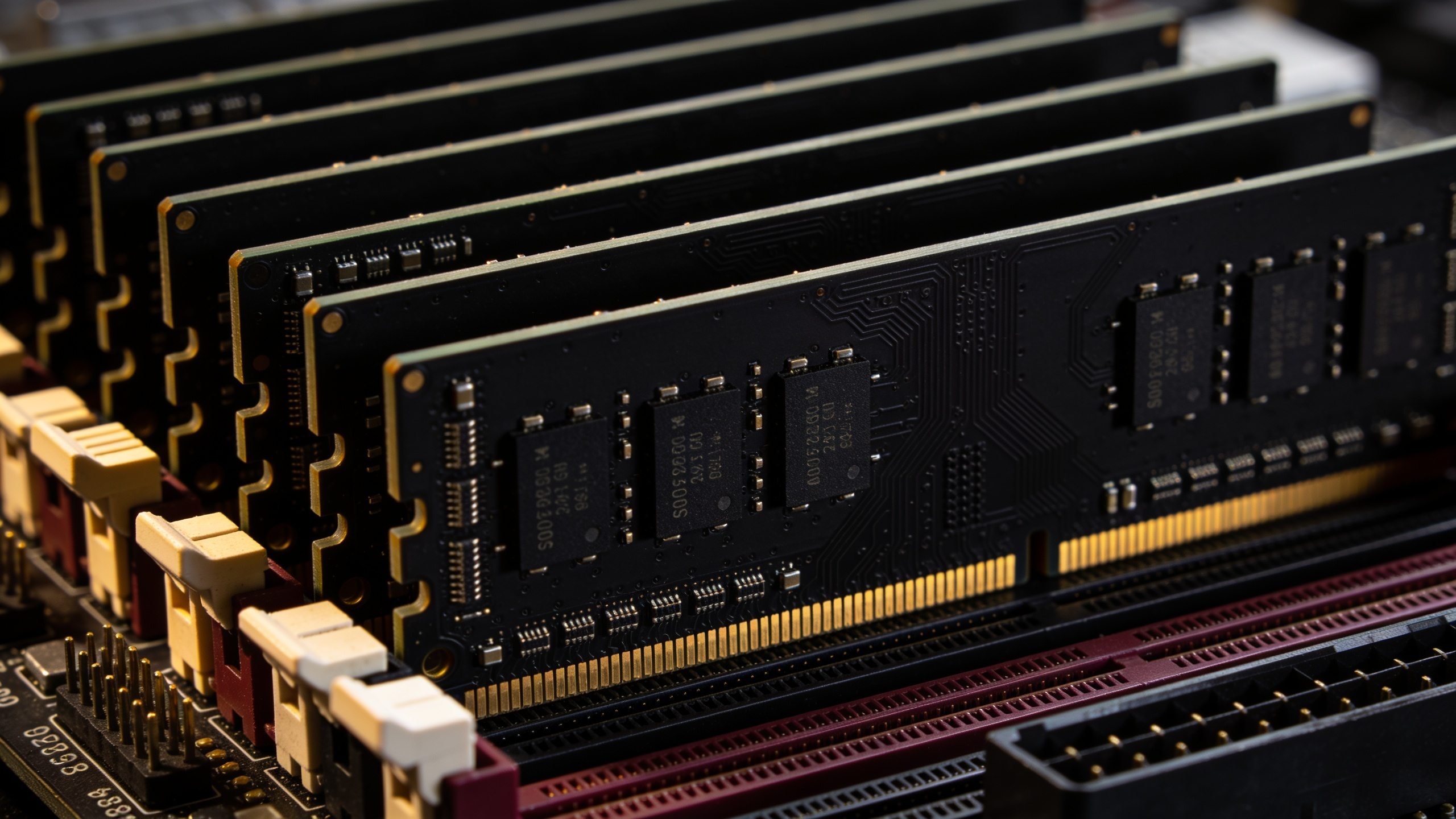
Samsung Electronics delivers its strongest quarterly report ever; can HBM4e restart AI memory trading?
Samsung Electronics is about to face a critical test. The company will release its preliminary results on Thursday, and it is expected to record its largest-ever quarterly operating profit. However, the real test is not the scale of profits, but whether it can convince investors that the demand for memory chips is sustainable and that high product prices can be secured through long-term contracts.
Crypto prices
More


