
Institutions Lower Short-term Average Price Forecast for Gold, Predict Return to $5,000 in Q2 Next Year

Huitong Network, September 29— Heightened tensions in the Middle East have pushed up oil prices and US Treasury yields, leading to a sharp fall in gold and silver, both breaking key support levels. BMO has lowered its short-term price forecasts for gold and silver but has sharply raised its long-term price targets, stating that structural factors such as currency depreciation and gold purchases by major Asian countries are diminishing the impact of real yields on gold prices. Silver, impacted by photovoltaic technology that reduces silver consumption, is experiencing weaker industrial demand and is expected to underperform gold for some time.
Rising tensions in the Middle East have driven up oil prices, reigniting market inflation concerns and resulting in more aggressive market pricing for rate hikes, putting downward pressure on precious metals. The 10-year US Treasury yield has surpassed 5.20%, hitting a twenty-year high, while both gold and silver have fallen below key support levels. Rising bond yields increase the opportunity cost of holding non-interest-bearing precious metals, weakening investment demand for gold and silver.
Despite concentrated short-term headwinds, BMO Capital Markets released its Q4 updated forecast,
Short-term Gold Price Forecasts Lowered, Long-term Targets Significantly Raised
Entering the last quarter of 2026, BMO commodity analysts have trimmed their three-month price outlook for gold but have turned significantly more optimistic about the long-term trend. In an updated forecast released on Monday (September 28), the bank expects the average gold price in Q4 to be about $4,650 per ounce, down 2% from the previous $4,750 forecast. The bank has adjusted its timing,
The biggest change in this forecast comes from the long-term valuation: this Canadian bank has raised its long-term average gold price expectation to $4,000/oz, a 29% increase from the previous $3,100 target. Analysts commented that the soaring yields of US TIPS and the recent onset of rate hikes by central banks seem to contradict such an upward adjustment. However,
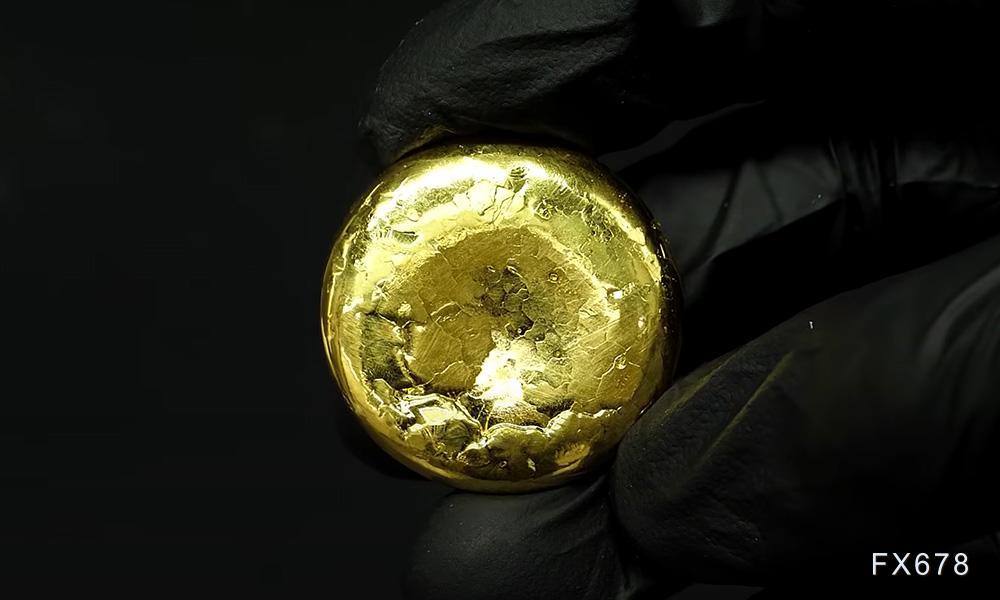
Major Factors Driving Gold Price: Gradually Breaking Away from Real Yield Constraints
BMO analysis suggests that although short-term projections are lower, there is still an asymmetric upside risk for gold for the rest of 2026.
Analysts remark that gold finds its place at the forefront of asset allocation. As precious metals gradually decouple from real yields, currency depreciation and de-dollarization are becoming the core drivers, with gold prices expected to rise steadily and in an orderly manner. The year-end gold price trend depends on the balance of two core logics: On one hand is the “currency depreciation trade,” with rising rates and increased term premium reflecting concerns over fiscal sustainability, which supports gold prices; on the other hand is the traditional “opportunity cost trade,” where rising rates suppress gold prices—the two forces offset each other.
Analysts believe that the Fed’s current hawkish stance has temporarily restored policy credibility, somewhat stabilizing the term premium, but concerns over currency depreciation may resurface easily. Unless oil prices spike again, gold price risks remain tilted to the upside, and BMO maintains its average price forecast of $4,650 for Q4.
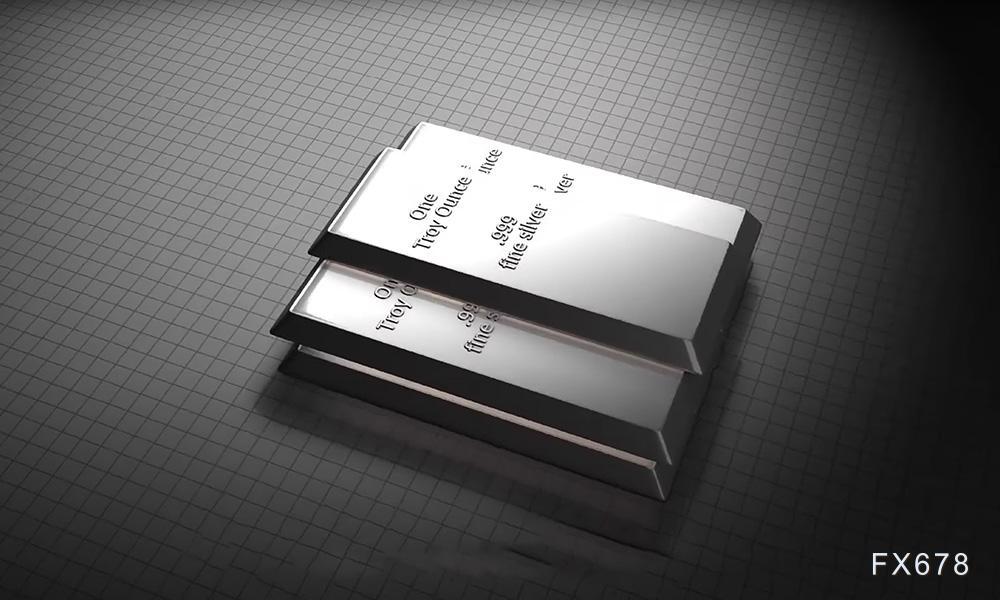
Silver Faces Short-term Pressure, PV Tech Reduces Long-term Demand
Silver is similarly facing short-term headwinds, but BMO expects rising gold prices to eventually lift silver. Entering Q4, BMO forecasts the average silver price over the next three months at about $67.40/oz, below the previous $71.40 estimate. The bank anticipates gold’s rise will slow early next year, with Q1’s average silver price forecast at $69.30, down from the prior $73.50 forecast.
Analysts note that in the silver sector, silver-saving technology is rolling out faster than expected, PV installation growth is slowing, and industrial supply and demand are loosening, increasing the likelihood that silver will underperform gold over the next several quarters. Over the long term, BMO has raised its long-term silver price target to $47/oz, up 31% from the previous $36 forecast. The core driver for year-end silver prices remains industrial demand from the PV industry.
Before 2025, the PV industry generally believed the benefits of silver reduction had largely been realized, but with silver prices soaring above $120/oz in January this year, previous assumptions were overturned. Multiple domestic PV firms have launched silver-saving solutions using finer metallization lines, reduced silver paste consumption, increased copper substitution, and developed copper-plated silver paste to lower silver use. As these technologies gradually come into use, the market has drastically cut its long-term per-unit silver consumption estimates.
Conclusion
In summary, a combination of the Middle East conflict pushing oil prices higher and surging US long-end yields has led to a sharp correction in gold and silver, both breaking support. BMO has lowered its short-term Q4 price projections for gold and silver but substantially raised its long-term price targets, with the core logic being fiscal imbalances, currency depreciation, and persistent gold buying by major Asian countries, which are reducing the restraining effects of real yields on gold prices. In silver, the ongoing rollout of PV-related silver-saving technology is weakening industrial demand elasticity, raising the likelihood that silver will underperform gold for some time.
The focus of ongoing market positioning is whether the US Treasury term premium will rise further and the pace at which the PV industry’s silver reduction technology is adopted. Investors should continue to monitor Treasury yields, physical gold demand from major Asian countries, and advances in PV technology.
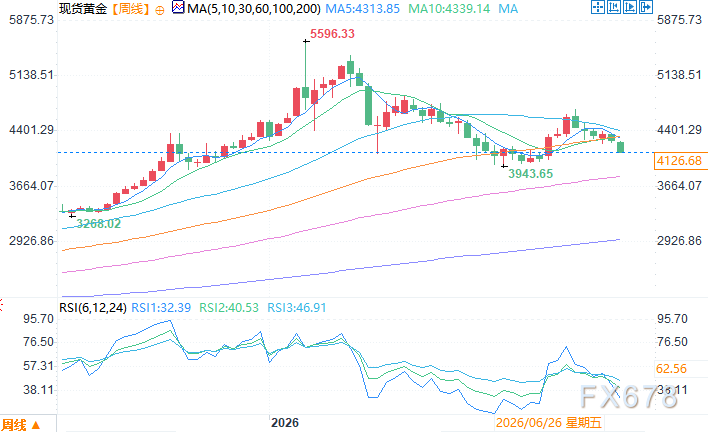
Spot gold weekly chart. Source: eHuitong
GMT+8, September 29, 13:08: Spot Gold quoted at $4,128.68/oz
Disclaimer: The content of this article solely reflects the author's opinion and does not represent the platform in any capacity. This article is not intended to serve as a reference for making investment decisions.
You may also like
 VIPWeekly Strategy VOO

VIPWeekly Strategy XOM
AAVE Price Surges 16% as Tokenized Stocks Enter DeFi — Can AAVE Break $200?

Crypto prices
More


