- J.P. Morgan’s report places Ripple beside established settlement systems while identifying XRP as its proposed settlement instrument.
- The assessment recognizes XRP’s settlement role but also cites volatility and currency spreads as barriers for participating banks.
- Institutional interest gives XRP a defined settlement context, although future bank adoption remains unconfirmed by the report.
XRP settlement is gaining institutional attention after a J.P. Morgan report assessed Ripple’s cross-border payment model alongside established systems, placing the asset within a wider institutional settlement discussion.
Ripple Connects XRP With Cross-Border Payments
Ripple’s entry centers on cross-border payment infrastructure and XRP-based settlement. The report identifies XRP as the proposed instrument supporting that payment model. This differs from general blockchain references because the asset receives a specific settlement role.
The table also assigns Ripple strong ratings across several assessed development stages. Those stages include cost, instant settlement and transaction transparency. The assessment therefore considers practical payment characteristics rather than cryptocurrency trading alone.
However, the report identifies obstacles that could restrict broader bank participation. It cites XRP volatility as a concern for banks using the asset. It also points to costs created by spreads between fiat currencies and XRP.
Those constraints provide important context around the institutional reference. The report presents a potential model rather than widespread banking implementation. Therefore, the reference does not establish confirmed institutional adoption.
Institutional Comparison Gives XRP Context
The wider table shows how Ripple compares with existing financial settlement infrastructure. CLS supports 18 currencies but faces challenges when adding additional currencies. Delivery windows also remain a listed limitation within its operating model.
SWIFT seeks greater transparency across cross-border payments and transaction processing. Yet the report notes continued reliance on correspondent banking and intermediaries. It also identifies trapped liquidity and settlement risks as ongoing challenges.
Finality receives strong assessments for instant settlement and transparency within the table. However, regulatory approvals remain necessary across participating central-bank frameworks. Ripple faces different hurdles involving volatility and currency conversion spreads.
This comparison gives the XRP discussion a broader institutional setting. The report does not isolate Ripple from traditional payment infrastructure. Instead, it evaluates several approaches against common settlement requirements.
XRP Adoption Question Remains Open
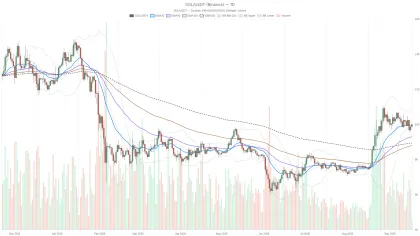
XRP price is as of writing trading at $1.43, based on September 15 market data. That price provides market context but establishes no settlement-driven valuation. The J.P. Morgan report contains no XRP price target.
Ripple’s model also depends on managing the barriers identified within the assessment. Banks would need workable solutions for volatility and conversion costs. Those factors remain central to whether the proposed settlement structure can expand.
For XRP holders, the institutional reference provides a concrete adoption point. It shows XRP being assessed within a cross-border settlement framework. However, future bank usage remains dependent on commercial and operational decisions.