
Schroders Plc increases holdings in US Treasuries as yields near peak

Schroders Plc, the UK-based asset manager overseeing roughly $1 trillion, has been buying long-term US Treasuries on the thesis that yields are close to their ceiling. It’s a contrarian move after a bruising selloff that left plenty of bond investors nursing losses, but Schroders apparently sees the pain as a buying opportunity.
A year of whiplash in bond markets
This isn’t Schroders’ first rodeo in 2026’s turbulent fixed-income landscape. The firm has adjusted its bond exposures multiple times this year as inflation fears, geopolitical tensions, and shifting Federal Reserve expectations created a volatile cocktail for government debt.
Back in April, when yields spiked to multi-year highs amid escalating geopolitical conflicts, Schroders added to its government bond holdings alongside other large funds. US Treasury yields surged above 4.5% in April 2026 due to these geopolitical tensions.
By June, however, the firm’s positioning told a different story. Schroders actually trimmed its US Treasury and German Bund exposure while increasing its allocation to Italian government debt. The reasoning centered on fiscal policy uncertainties in the US and Germany, paired with relatively more attractive valuations in Italian bonds.
The Hartford Schroders Core Fixed Income Fund, one of the firm’s key vehicles, maintained approximately 16% of its portfolio in US Treasuries as of July.
Why Schroders thinks yields have nearly peaked
The logic behind the trade comes down to real yields, which strip out inflation expectations to show what investors actually earn in purchasing-power terms. As of late August and early September, Schroders noted that elevated real yields had meaningfully improved the valuation case for US government bonds.
The firm upgraded its multi-asset outlook for US government bonds on this basis, a move that also coincided with a favorable view on gold.
The broader fixed-income chess game
Throughout 2026, the firm has at various points favored government bonds from Australia, the UK, and Italy over US Treasuries. The common thread in those preferences has been fiscal credibility: countries with less concerning deficit trajectories or more predictable policy environments have sometimes looked more appealing than the world’s benchmark sovereign issuer.
The multiple adjustments throughout the year suggest Schroders is trading tactically rather than making a permanent allocation shift.
Disclaimer: The content of this article solely reflects the author's opinion and does not represent the platform in any capacity. This article is not intended to serve as a reference for making investment decisions.
You may also like
XRP community spotlights September 2026 theory, links yen carry trade to regulatory moves
Federal Reserve's Waller: If data confirms cooling inflation, inclined to keep rates unchanged in September
Federal Reserve Governor Christopher Waller said on Thursday that if upcoming data confirms that inflationary pressures are easing, he would be inclined to support keeping interest rates unchanged at the Fed’s next policy meeting.

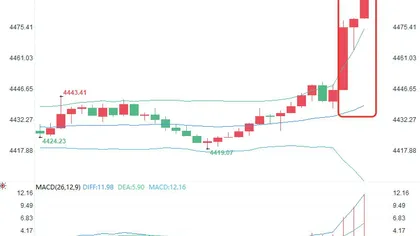
Waller suddenly eases a key condition, why did gold fluctuate by $40 instantly?
Gold price nears $4,500 as jobs data, Waller ease yield pressure - Kitco AM Report
Crypto prices
More


