
Which nations have exhausted their fiscal capacity?

Changing Perspectives on Fiscal Policy
Prior to the COVID-19 pandemic, inflation remained persistently low, fostering the belief that central banks could maintain low interest rates indefinitely. This assumption led many governments to accumulate higher levels of debt, confident that interest costs would stay manageable. Modern Monetary Theory represents the most pronounced example of this mindset, but its influence has shaped fiscal strategies more broadly. As a result, budget deficits have expanded in numerous countries since the pandemic, despite its conclusion. The perceived freedom to spend collided with the surge in inflation and increased expenditure demands following COVID-19.
Disclaimer: The content of this article solely reflects the author's opinion and does not represent the platform in any capacity. This article is not intended to serve as a reference for making investment decisions.
You may also like
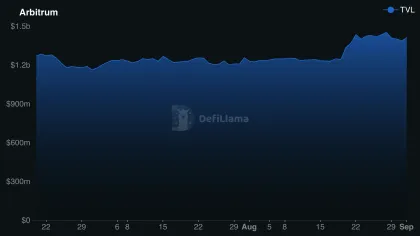
Arbitrum: How $1.6B in bridge flows could extend ARB’s 28% rally
AI infrastructure may "burn" up to $5.5 trillion; JPMorgan: Bond market can absorb bond issuance surge, tech giants can still increase leverage
As technology giants launch waves of bond issuance to build AI data centers, the market has begun to worry whether the US investment-grade bond market can absorb the continuously increasing supply of debt.

Zcash May Have a Bigger Role to Play as AI Threatens Financial Privacy: Grayscale
Stellar RWA market surges to $4 billion as XLM price drops 50% in a year
Crypto prices
More


