
TREE (Treehouse) 24-hour amplitude 56.2%: Technical breakthroughs and increased trading volume trigger sharp price fluctuations
 Bitget Pulse2026/04/06 15:20
Brief Volatility Overview
In the past 24 hours, TREE's price hit a low of $0.0559 and a high of $0.0873, currently trading at $0.0864, with a fluctuation amplitude of 56.2%. Similar data sources show 24-hour trading volume is around $18 million to $31 million, indicating high market activity.
Analysis of the Cause of the Anomaly
- TREEUSDT broke above the upper Bollinger Band, accompanied by a surge in trading volume, forming a bullish reversal pattern (with support near $0.0561), directly driving a rebound from the low.
- Technical analysis from the community points out that the price has broken out from a descending wedge and is currently consolidating near $0.057, targeting $0.0578 upwards.
No official announcement, on-chain whale large transfers, or major news events recorded within 24 hours.
Market Views and Outlook
Market sentiment is divided. Some traders regard the breakout as a bullish signal, with buying pressure exceeding selling pressure (buy orders double the sell orders), but there are also short-term bearish views, believing momentum above $0.0577 is needed for confirmation otherwise price may pull back to $0.055. Mainstream analysts warn of risks: if support does not hold, lower lows may follow and suggest waiting for a clear reversal confirmation.
Note: This analysis is automatically generated by AI based on public data and on-chain monitoring, for informational reference only.Disclaimer: The content of this article solely reflects the author's opinion and does not represent the platform in any capacity. This article is not intended to serve as a reference for making investment decisions.
You may also like
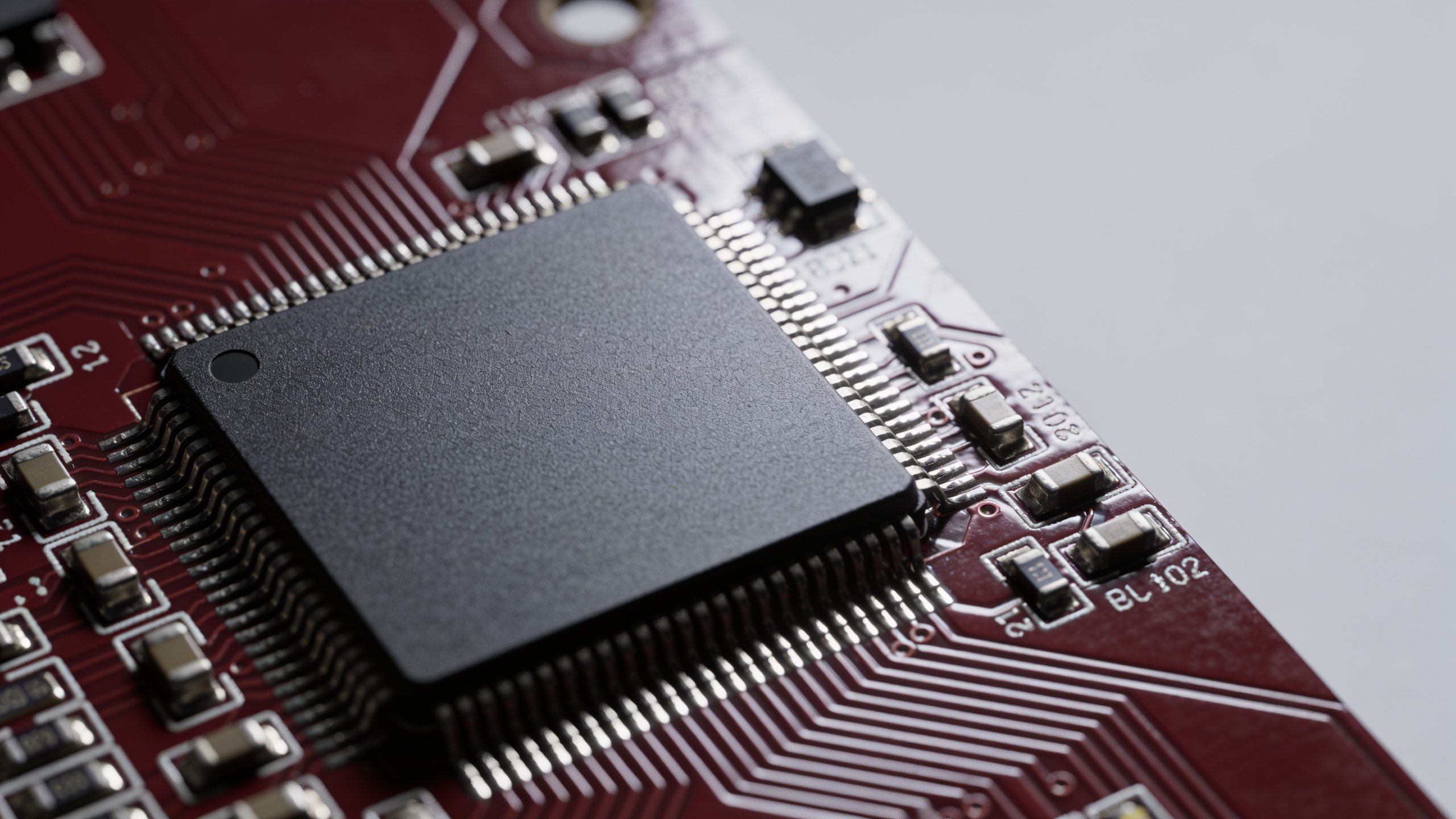
Morgan Stanley Quantitative Team: AI Chip Stocks Haven’t Bottomed Yet, Recommend “Reducing Positions on Rebounds”
Morgan Stanley’s quant team has warned that the sell-off in semiconductor and data center stocks is not over yet, as the current trend of the chip index resembles that of the internet bubble in 2000, indicating continued medium-term downside risk. They recommend taking advantage of rebounds to reduce positions, increase allocation to low-volatility and value stocks, and position in AI application companies. The report points out that the AI theme is shifting from upstream infrastructure to downstream applications, with AI adoption companies demonstrating relative resilience.
JPMorgan: If AI-driven profits persist, US stocks can withstand a 10-year Treasury yield rising to 5.5%-6.0%
JPMorgan pointed out that based on approximately 80 years of historical data, if the current forecast for forward EPS growth exceeding 20% is achieved, the S&P 500 has the capacity to absorb a rise in the 10-year U.S. Treasury yield to the 5.5%-6.0% range—especially under the premise that AI-driven productivity growth supports a high valuation environment.

Crypto prices
More


