
Anthropic "Mythos" Strikes Cybersecurity Sector, Bernstein: Don't Panic, You've Misread It

Anthropic's new model "Mythos" sparked a collective sell-off in the cybersecurity sector due to statements regarding its leap in "cybersecurity" capabilities. However, Bernstein Research quickly issued a clarification: investors misinterpreted the information. This neither signals Anthropic's entry into the cybersecurity software market nor undermines the structural tailwinds AI brings to the industry.
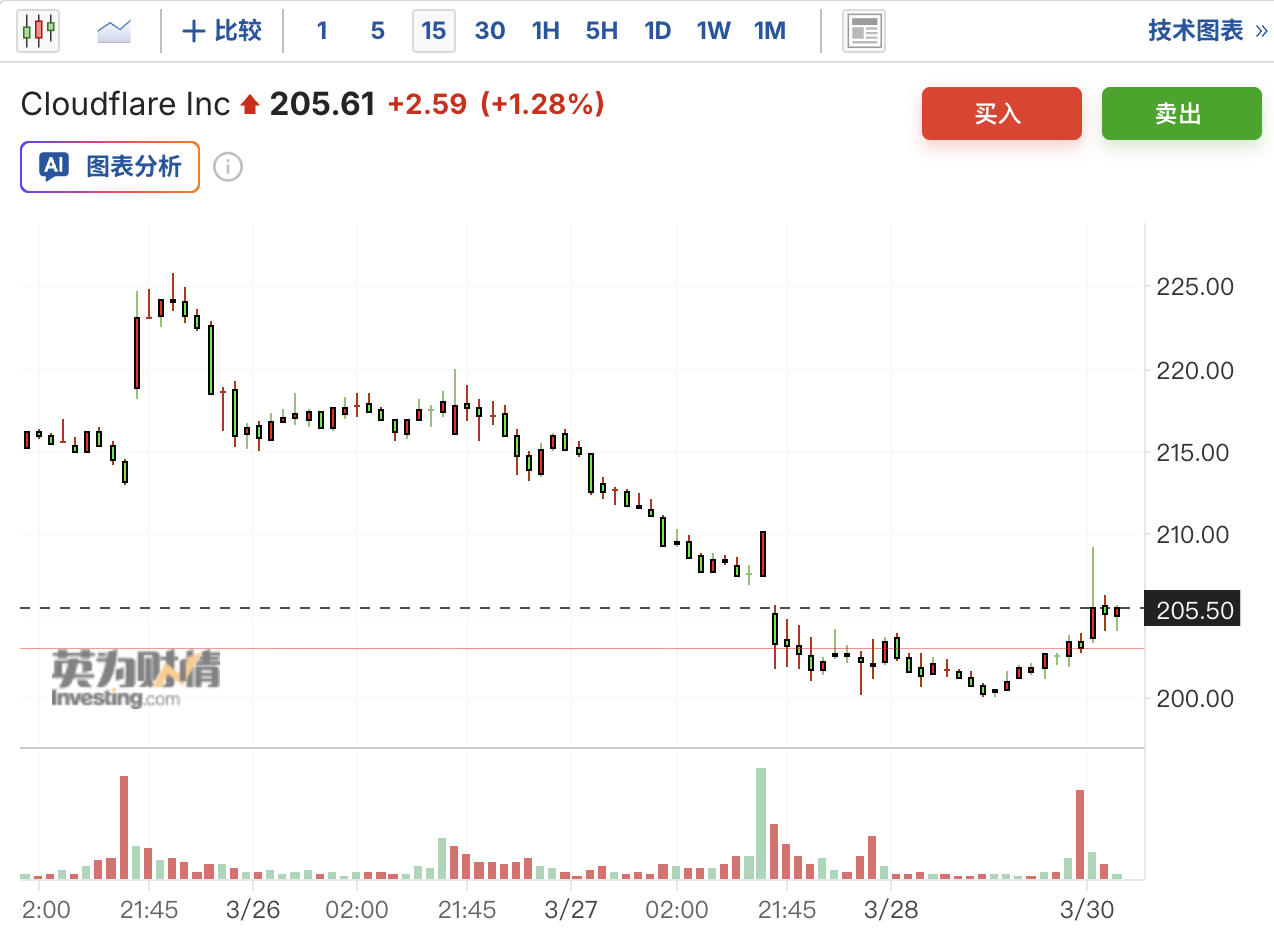
According to Fortune magazine’s report last Friday, Anthropic’s soon-to-be-released "Mythos" model promises "significantly higher scores" in software coding, academic reasoning, and cybersecurity testing. This wording triggered a market sell-off, with most cybersecurity stocks covered by Bernstein, such as Cloudflare, dropping 5% to 7%.
Bernstein analysts responded swiftly on the same day, pointing out that the cybersecurity-related aspects of "Mythos" are essentially routine enhancements to code security capabilities and proactive measures to prevent the product from being misused maliciously by Anthropic. Neither is in competition with the cybersecurity software industry, nor do they weaken the AI-driven demand logic for the sector.
Bernstein stated clearly in its report that it is maintaining the ratings, target prices, and financial forecasts for all its covered cybersecurity companies.
Where Did the Market Panic Come From?
The Fortune magazine report’s wording regarding the leap in "cybersecurity" capability became the direct trigger for the sell-off.
Investors interpreted this as two potential threats: one, Anthropic might directly enter the cybersecurity software market, creating competition with existing players; two, enhanced AI model capabilities could lower the intensity of cyber threats, thereby weakening demand for traditional security tools.
Bernstein analysts described investors as "predictable as clockwork," saying that whenever there’s mention of a step-change in cybersecurity capability, related software stocks are sold off en masse.
What Is Mythos Really Doing: Code Security and Abuse Prevention
Bernstein broke down the cybersecurity-related aspects of "Mythos" into two levels.
First is the enhancement of code security capabilities. Analysts believe this is a basic hygiene standard for the product and is a baseline expectation for Anthropic’s offerings, which will not limit the value of most other cybersecurity tools.
They’ve previously pointed out that software vulnerabilities account for a relatively small portion of security breaches, and the range of vendors directly affected by Claude’s code security features is likewise limited.
Second is the prevention of product abuse, which is the core logic of this release. The cybersecurity industry has well-documented cases where Claude, once compromised, could be used by threat actors to identify software vulnerabilities and quickly create targeted malware. These attacks often occur faster than vendors or users can patch the issue.
Additionally, attackers may use hacking techniques to hijack enterprise Agents built on Anthropic, carrying out lateral movement, account takeover, and data leakage within organizations.
Bernstein points out that addressing these risks is not new for Anthropic. The company has long discussed and proactively implemented safeguards. This release deepens that direction rather than marks a strategic shift.
The AI Tailwinds in Cybersecurity Remain Intact
Analysts rebutted the notion that "AI tailwinds are damaged" from two perspectives.
First, Anthropic is just one provider in the LLM market. There are numerous long-tail LLM vendors, and not all will proactively implement anti-abuse mechanisms like Anthropic.
More importantly, open-source LLMs are already widely circulated in an unregulated environment—even if they are less capable than Claude, they can still be effectively used by threat actors to create malware or launch phishing attacks.
Bernstein reminds that even without these tools, attackers are still successful in today’s landscape, which means attackers don’t need high-quality tools to gain additional leverage for attacks.
Second, AI’s upside for the cybersecurity sector largely comes from the emergence of new security solutions, rather than mere intensification of demand for existing tools.
Analysts noted that at this week’s RSA conference, almost every booth was focused on areas like Agentic SOC (intelligent security operations centers), Agent identity security, and Agent data security—emerging directions in cybersecurity.
These market opportunities won’t be affected by Anthropic increasing product security. Moreover, as most enterprises maintain technical neutrality toward LLMs, the demand for multi-Agent protection solutions will persist.
Disclaimer: The content of this article solely reflects the author's opinion and does not represent the platform in any capacity. This article is not intended to serve as a reference for making investment decisions.
You may also like
SK Hynix (SKHY.US) Q3 net profit 28.6 billion, HBM4 mass production, shortage expected to continue until 2030
SK Hynix reported Q3 revenue of $75.3 billion, surpassing one trillion Korean won for the first time. Operating profit reached a record high, while net profit was $28.6 billion, up 216% year-on-year but down 58% quarter-on-quarter, significantly below expectations. The company announced a dividend of $10.1 billion and a share buyback of $14.4 billion, and predicts that the memory shortage will continue until 2030.

SK Hynix (SKHY.US) Q3 revenue surpasses 100 trillion KRW for the first time, why did net profit drop by half quarter-on-quarter?
SK Hynix's Q3 revenue surpassed 100 trillion KRW for the first time, and operating profit reached a record high, but net profit fell 58% quarter-on-quarter. The main reason is that the base for Kioxia investment income was high in Q2, and there was no such one-off income this quarter. The actual business operations remain strong.
Revenue Hits Record High of $1.4 Billion, Why Did Robinhood (HOOD.US) Profits Fall by 14%?
Robinhood's Q3 total revenue reached a record $1.424 billion, but net profit fell 14% year-over-year. Crypto income was halved, while event contracts surged more than sixfold, surpassing crypto, and options became the main pillar. Profits were dragged down by credit losses, valuation losses, and increased taxes.
Tonight's Federal Reserve decision: Inflation is heating up, but has the rate hike been paused? Waller faces a credibility test
Inflation has soared beyond expectations, yet the market remains confident that the Federal Reserve will hold steady on the eve of the midterm elections. Tonight's decision may see multiple hawkish dissenting votes, but the real center of the storm is Chairman Walsh's press conference: Can he clarify the logic behind "skipping a rate hike" and avoid a repeat of the communication disaster in July?
Crypto prices
More


