
Alleged Hack of DeGods CEO Frank’s Wallet After Exit Sparks Debate

Just days after stepping down, DeGods founder Frank allegedly lost 16 NFTs in a hack. Now, the crypto world is split: was it real—or a calculated exit?
The sale of 16 DeGods NFTs from the Solana wallet of former DeGods CEO Rohun Vora, popularly known as Frank DeGods, has sparked intense debate within the crypto community.
The unexpected move has led to speculation about his motives and timing. Notably, the bulk sale occurred just three days after Frank officially announced his resignation as CEO of DeGods.
Frank’s Resignation and the Sudden Sale of 16 NFTs
Frank DeGods, the founder of DeGods, announced his resignation as CEO via his X account on May 12, 2025. He shared that he would step down from leadership after three years of dedication.
“I dedicated 3 years of sleepless nights trying to make DeGods & y00ts a success. I’m proud of the work I did. I’m excited to hand the resign to the team and watch them cook. maybe we’ll look back at this fixation on ‘frank degods’ as the thing that was holding us back,” he said on X.
Just days after the resignation announcement, Frank’s Solana wallet was compromised, leading to the sale of 16 DeGods NFTs on the Magic Eden platform.
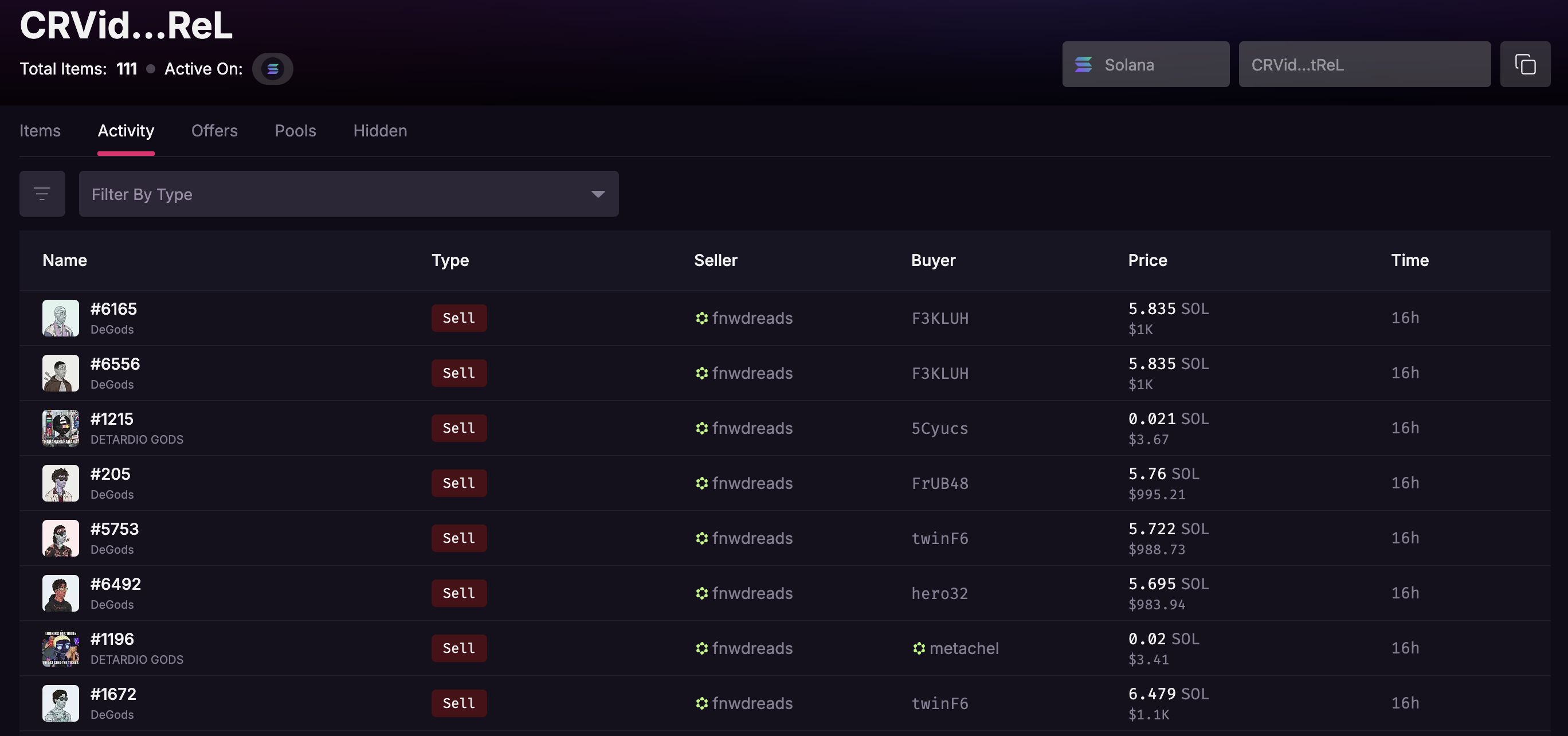 List of Frank’s NFTs Sold on Magic Eden. Source:
Magic Eden
List of Frank’s NFTs Sold on Magic Eden. Source:
Magic Eden
According to a Discord chat allegedly from the DeGods team, Frank’s account was hacked. The laptop he used for transactions was compromised, allowing the hacker to earn over 108 SOL, equivalent to nearly $19,000, from the stolen NFTs.
A Hack or Did Frank Sell the NFTs Himself?
Frank and the team insist this was a hack. However, the crypto community remains divided, with some believing the claim and others questioning its motives.
“I’m not seeing any other assets stolen. So the hacker was kind enough to only sell his degods and nothing else?” an X user questioned.
Another X user claimed that the timing of the sale is suspicious. Meanwhile, other users suggested the incident might be a staged move to allow Frank to exit the project without backlash.
These suspicions aren’t baseless. The timing of the hack, immediately following Frank’s resignation, raises questions about intent. Additionally, DeGods’ value has significantly declined from its peak of over $37,000 to just $1,000.
Some speculate Frank may have chosen this moment to “cash out” before the NFT’s value drops further. However, no concrete evidence supports these accusations, and Frank maintains he was the victim of a cyberattack.
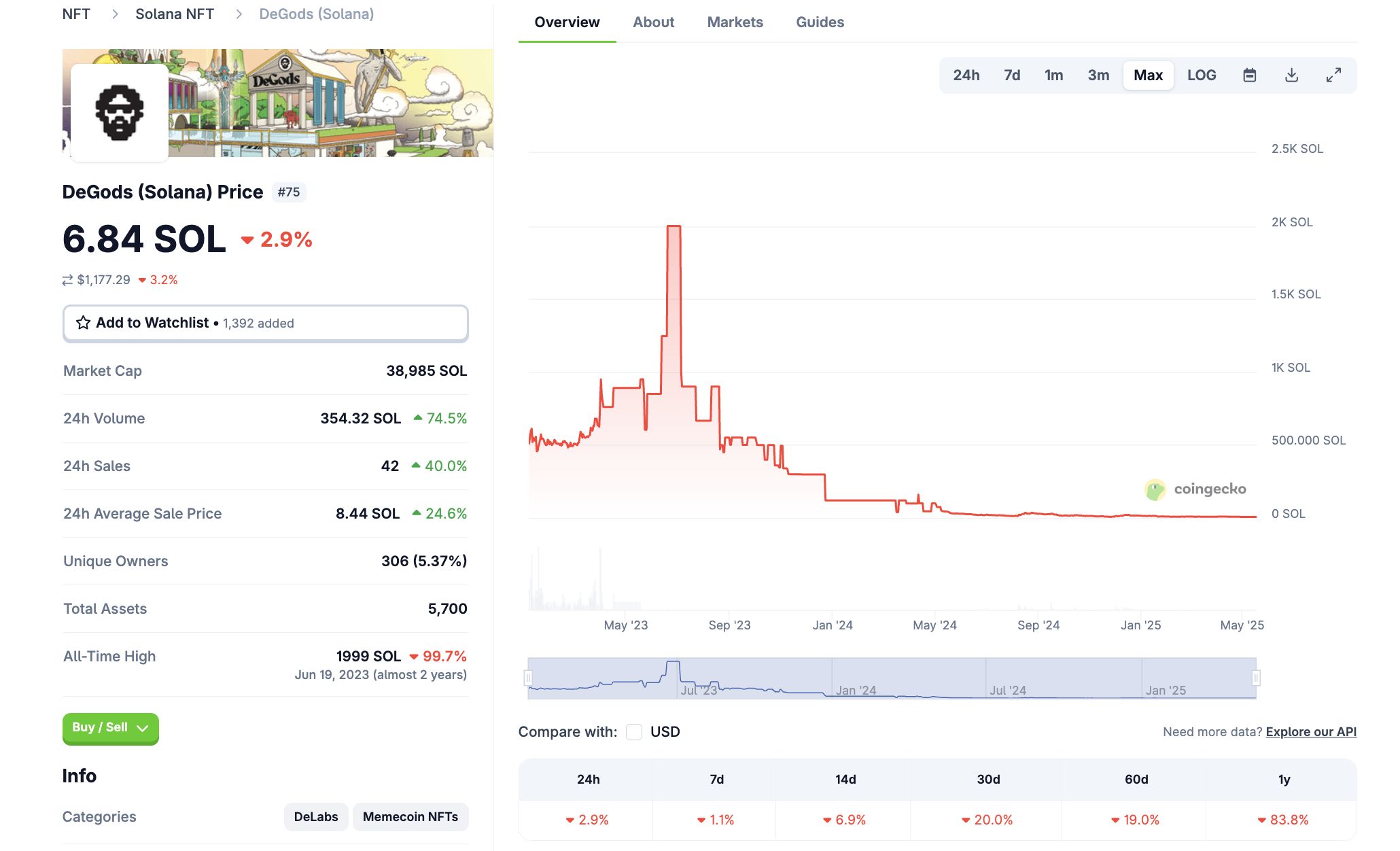 DeGods NFT Performance on Solana. Source:
CoinGecko
DeGods NFT Performance on Solana. Source:
CoinGecko
This decline reflects broader NFT market sentiment, which has cooled significantly since the 2021-2022 boom.
Moreover, DeGods has faced controversy before, particularly with its decision to migrate from Solana to Ethereum and later return to Solana, alienating parts of its community. These choices and a lack of innovation and market pressures have eroded DeGods’ former prominence.
Whether genuine or orchestrated, Frank’s hack has amplified uncertainty, leaving investors questioning the project’s recovery potential.
Disclaimer: The content of this article solely reflects the author's opinion and does not represent the platform in any capacity. This article is not intended to serve as a reference for making investment decisions.
You may also like
G7 Launches "Oil Price Cooling War"! Release of 100 Million Barrels of Oil Reserves Combined with Trump Abandoning the Ban Offers a Key Relief Valve for Global Inflation
The G7 coordinated release of reserves, promoted by French President Macron, has advanced from discussing plans to committing to action. Subsequently, Trump explicitly stated that the United States would not impose a diesel export ban.
ARK Invest doubles down on SpaceX: each Starship launch could add $700M a year
U.S. Treasury yields remain high! Elevated borrowing costs continue to impact the U.S. economy, AI investment boom intensifies the divergence from the real economy
As the yield on 10-year U.S. Treasury bonds remains above 5%, investors are turning their attention to a potentially more important issue than short-term market fluctuations: what impact will persistently high U.S. borrowing costs have on the economy and financial markets?
Crypto prices
More


