PCE unexpectedly cools down + GDP revision: US Treasury yields plunge sharply, gold surges $10 in the short term—what signals are hidden behind this?
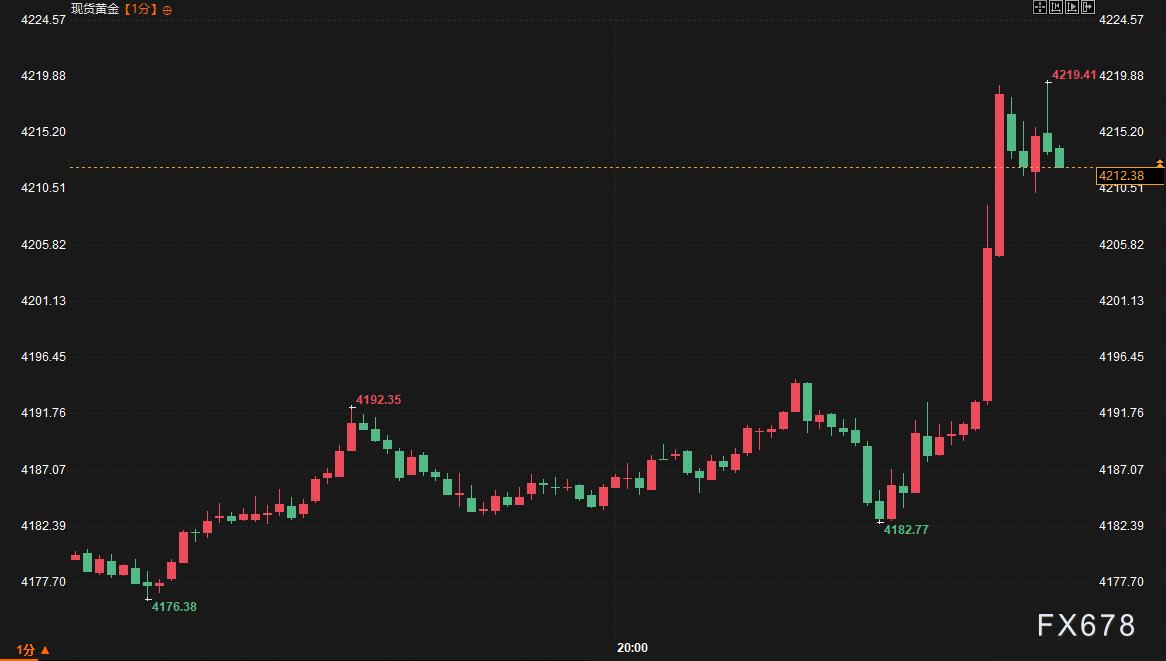
FX168 Finance, September 30 — On Wednesday (September 30) at 20:30 (UTC+8), the U.S. Department of Commerce simultaneously released the August Personal Consumption Expenditures (PCE) Price Index and the final reading of Q2 GDP. The core PCE for August rose by only 0.2% month-on-month and 3.0% year-on-year; overall PCE was up 0.3% MoM and 3.4% YoY. The final Q2 GDP was revised up to 2.2%, and the final consumer spending number rose to 3.8%. Following the data release, spot gold surged over $10 in a short period to $4205/oz, and spot silver rose in tandem.
On Wednesday (September 30) at 20:30 (UTC+8), the U.S. Department of Commerce simultaneously released the August PCE Price Index and the final Q2 GDP data. The market had previously expected core PCE to rise by 0.3% MoM and 3.3% YoY, overall PCE by 0.4% MoM and 3.7% YoY, and the final Q2 annualized GDP to remain at 1.5%. However, the actual results deviated significantly: August core PCE rose by only 0.2% MoM and 3.0% YoY; overall PCE was up 0.3% MoM and 3.4% YoY. The final Q2 GDP was revised up to 2.2%, and final consumer spending reached 3.8%.
After the release, spot gold surged over $10 in a short period to $4205/oz, and spot silver also rose; the U.S. 10-year Treasury yield fell by about 5 basis points to 5.205%, the two-year yield fell by 4.57 basis points; equity index futures rose across the board.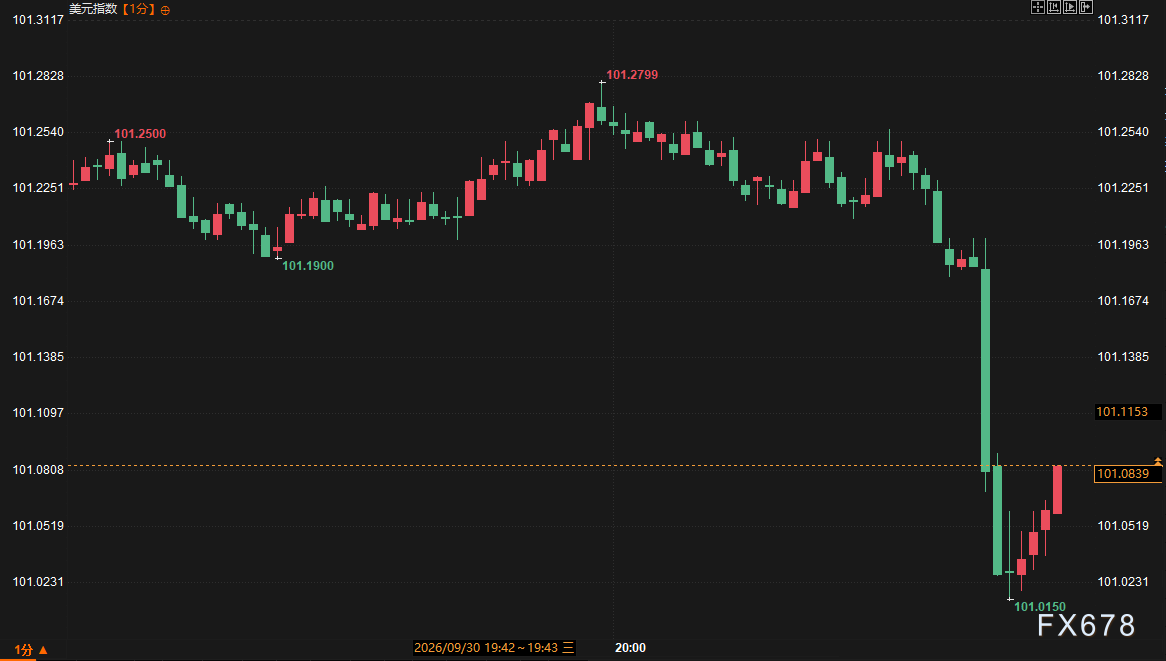
In-depth Interconnected Analysis
On the fundamentals side, inflation indicators fell short of expectations across the board, with core PCE YoY hitting a new low since February, directly easing market concerns about imminent further tightening by the Federal Reserve. At the same time, the upward revision of GDP and robust consumer spending show that economic resilience remains, forming a “cooling inflation + steady growth” combination. In similar historical scenarios, when core inflation unexpectedly eased while growth data remained strong, U.S. Treasury yields typically moved lower, benefiting risk assets and precious metals concurrently. Compared to previous highs, the 10-year yield dropped rapidly from its relative peak before the data, while gold broke out of its recent consolidation range.
Before the data was released, institutions mainly emphasized that methodological revisions might suppress the YoY reading, but the MoM figure remained key, with overall expectations remaining sticky; retail investors focused more on potential volatility in gold and US stocks. After the release, institutional perspectives quickly shifted to the “canary combination” — cooling inflation provides policy breathing space, while robust growth limits expectations for excessive easing; retail investors were concentrated on discussing gold's short-term spike and the sentiment release caused by lower yields, with clear differences in expectations. Short-term rate futures rose, traders reduced bets on an October rate hike, corroborating the bond yield decline and stock futures rally. For precious metals, gold and silver found short-term support; rate-sensitive assets also benefited, but the bullish or bearish effects on related markets still require validation from subsequent data.
Trend Outlook
Extrapolating from current market logic, a cooling inflation reading helps suppress upward pressure on yields, supporting gold to stay within its relatively strong range, while the rebound momentum in US equity futures is also expected to continue into regular trading hours. However, the upward GDP revision and strong consumer spending suggest economic momentum has not noticeably slowed, so the downside for yields may be limited by upcoming employment and service price data. Overall market trends are likely to revolve around a “policy path observation period,” with short-term volatility in precious metals and equity indexes still dominated by changes in yields.
Further Reading
Core PCE is the Federal Reserve’s preferred inflation gauge. A reading below expectations usually reduces the urgency for rate hikes, and lower real rate expectations enhance the relative appeal of non-yielding assets like gold. The over-$10 short-term rally in gold after the data illustrates this link.
Cooling inflation drives yields lower, while stronger growth limits the extent of the yield drop. This time, both the 10-year and 2-year yields fell together — showing the market gave more weight to the inflation signal, but if subsequent employment data is strong, yields could come under renewed pressure.
Before the release, institutions focused on methodological revisions and the risk of sticky MoM readings, while retail investors emphasized expected volatility in gold and equity indexes. Afterward, institutions highlighted the “steady growth + cooling inflation” policy observation window, while retail investors directly discussed short-term market spikes and the release of sentiment.
Spending rose 0.9% MoM while income rose just 0.2%, with the savings rate declining. This suggests that consumer resilience persists, but the sustainability depends on whether subsequent income and employment data can provide support.
Short-term rate futures indicate further declines in rate hike expectations for October, giving the market more observation room. However, the solid growth and consumption figures suggest a rapid policy shift remains unlikely, while upcoming nonfarm payroll and service sector inflation data will be key for confirmation.





