
Federal Reserve Minutes Preview: Less Than 25% Chance of Rate Hike in October; Tone of Minutes Becomes Key

Huitong Network, October 5th—— The minutes of the Federal Reserve's September meeting will be released at 2:00 a.m. (UTC+8) on Thursday, with the market focusing on how strongly the Committee adheres to its guidance of “one more rate hike this year.”
The minutes of the Federal Reserve’s September meeting will be released at 2:00 a.m. (UTC+8) on Thursday, October 8. The market's focus is on a core question: In light of obviously weaker data following the September meeting, how strong is the Committee's commitment to its guidance of "one more rate hike this year"? At the September meeting, the Fed unanimously voted to raise rates by 25 basis points. Policymakers’ projections pointed to one more rate hike by 2026, but views for 2027 diverged significantly—eight participants expected at least two more hikes, six projected one, and four anticipated rate cuts from the current level. However, weak post-meeting data from the September Nonfarm Payrolls and softer August PCE readings have in some ways overtaken the minutes. The probability priced in for an October rate hike has dropped to less than one-quarter. Therefore, the tone of the minutes is key—if a meaningful dovish group is revealed within the Committee, the market repricing will be confirmed; if the tone is significantly hawkish, there may be room for a repricing of an October rate hike.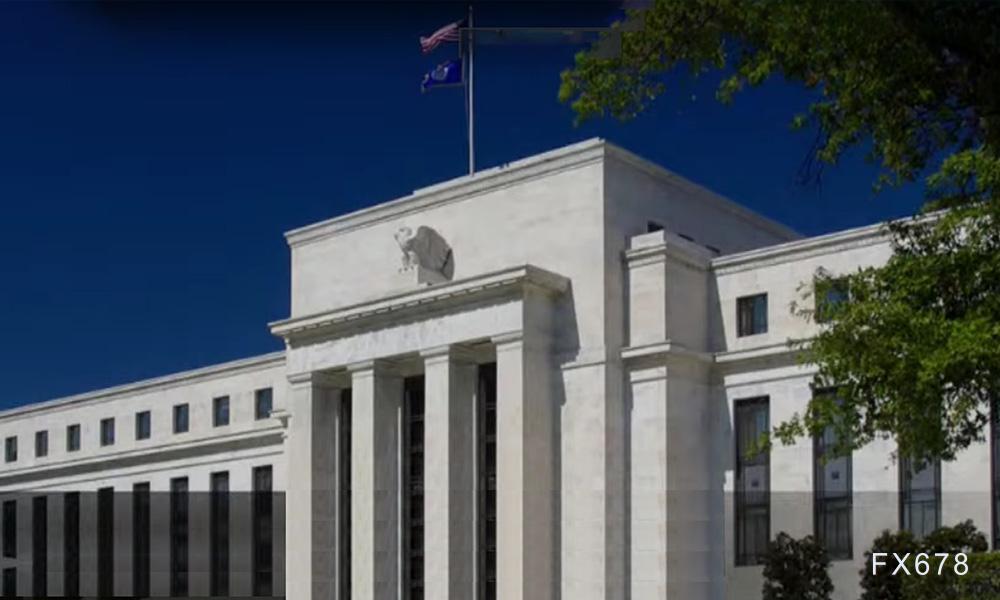
Market Pricing Has Shifted Significantly, Probability of October Rate Hike Drops to Below 25%
The changes in data released after the September meeting are key to understanding current market pricing. Weaker September Nonfarm Payrolls and softer August PCE inflation data led the market to sharply lower expectations for further rate hikes by the Fed.
Current market pricing implies that the probability of an October rate hike is less than one-quarter, down from levels seen earlier last week.
The logic behind this repricing is clear: if job gains slow down and inflation pressures ease, the urgency for the Fed to continue hiking rates decreases. However, the minutes reflect discussions from September, before the data softened.
Thus, there is a time lag between the minutes and current data. The market now needs to judge just how firm the Committee's belief is in its “one more rate hike” guidance.
September Projections: Unanimous Rate Hike, But Major Divergence on 2027 Path
Looking back at the September meeting, the Fed unanimously approved a 25 basis point rate hike, and stated that this move would help return inflation to target more promptly.
Policymakers’ projections pointed to one more rate hike by 2026. However, their views for 2027 were widely dispersed—eight participants expected at least two more hikes, six projected one, and four anticipated cuts from the current level.
This distribution itself shows there are significant internal disagreements within the Committee about where the tightening cycle should end. The minutes may reveal that, despite a unanimous vote, there had already been differing views in the discussion about the necessity for further hikes.
The extent to which these divergences are exposed will directly affect market pricing for the October and December meetings.
Recent Statements by Officials: No Rush to Act, But Hawk-Dove Split Persists
Recent statements from officials depict a Committee “in no hurry to act.” New York Fed President Williams and Vice Chair Jefferson have said they see no need to rush for another rate hike, though Williams still considers one more hike this year reasonable.
Governor Bowman has indicated she favors no additional hike in 2026, and she is set to speak on Tuesday, which could signal early hints ahead of the minutes’ release.
This divergence means the minutes may paint a more complex picture than current market pricing suggests. If the minutes show a meaningful group is uneasy about further hikes, this will reinforce the market’s dovish pricing; if the minutes emphasize stubborn inflation and the risks of stopping too early, traders may reprice the chances of an October hike.
Market Impact: Asymmetric Risks and Asset Price Transmission
The minutes pose asymmetric risks to the market. In a market that has already priced out most October hike chances, a dovish set of minutes would confirm this repricing and could extend the decline in front-end US Treasury yields and the dollar. This would provide some support for gold—which had been under pressure from rate hike expectations. A hawkish set of minutes, emphasizing persistent inflation, could raise the probability for an October hike and boost yields again.
Energy prices are another variable to watch. Due to the Iran conflict, energy prices remain elevated. Any discussion in the minutes about oil prices feeding through to inflation will be closely watched, as it may become a reason for officials to stick to a tightening stance even as activity data softens.
The existence of this channel means that even if jobs and inflation data soften, the Fed may not easily give up its tightening bias.
Editor's Summary
At the time of the September meeting minutes’ publication, the market has already sharply lowered the probability of an October rate hike to below 25%, based on weak jobs and moderate inflation data. The unanimous rate hike and dot plot guidance for one more hike by 2026 is out of sync with the post-meeting soft data. Officials' statements reflect a split but cautious approach rather than urgency. The tone of the minutes will offer a critical window into the Committee’s conviction—a dovish tilt confirms repricing and favors front-end bonds and gold, while a hawkish tone could revive hike expectations. Any discussion of energy price pass-through warrants close attention, as geopolitical factors could continue to support a tightening bias.
[FAQ]
A: The Nonfarm Payrolls released after the September meeting showed an increase of just 29,000 and PCE data was soft, both indicating slower job growth and easing inflation pressures. This reduced the urgency for further hikes and cut the probability to below 25%.
A: A unanimous vote to raise rates by 25 basis points to 3.75%-4.00%. The dot plot shows a median expectation of one more hike by 2026, but there is significant divergence about the 2027 path—with some expecting more hikes and others expecting cuts.
A: The minutes reflect discussions at the September meeting, when jobs and inflation data had not yet softened. The market needs to judge whether the Committee's conviction in the “one more hike” guidance has been shaken by post-meeting data.
A: Williams and Jefferson said there’s no rush for further hikes. Bowman prefers no additional hikes in 2026. This shows internal divisions in the Committee, with a general inclination toward a wait-and-see approach rather than urgent action.
A: Dovish minutes will confirm the low probability of a rate hike, likely depressing front-end yields and the dollar while supporting gold; hawkish minutes could raise expectations for an October hike and boost yields. The market is also focused on any discussion of energy price pass-through to inflation.
Disclaimer: The content of this article solely reflects the author's opinion and does not represent the platform in any capacity. This article is not intended to serve as a reference for making investment decisions.
You may also like
3 Crypto Coins to Consider as the Altseason Gains Momentum
Solana tokenized equities overtake Robinhood, ending its six-week lead
Morgan Stanley: US Data Center Power Shortfall Reaches 34%; Leading Chip Manufacturers Temporarily Immune, Mid- and Downstream Sectors Under Pressure
However, the report emphasizes that Nvidia and Broadcom, thanks to their global presence, higher unit power computing output, and clear upstream and downstream visibility, are temporarily unaffected by power constraints in their 2027 performance guidance. In contrast, downstream segments such as ASIC, storage, optical modules, and analog devices will face greater demand fluctuation risks.
Guolian Minsheng Securities: Remains optimistic about the current storage super cycle
Guolian Minsheng Securities released a research report stating that they remain optimistic about the current storage supercycle. High demand for AI, intensified supply constraints, long-term agreements securing profits, and increased shareholder returns are jointly driving the profitability center upward.


