- Flexible blockchain infrastructure positions Avalanche for renewed adoption across multiple industries.
- Litecoin offers proven payment utility, fast transactions, and a long operating history.
- TRON combines smart contracts, decentralized applications, tokens, and digital asset transfers.
The crypto market often rewards investors who spot strong projects before momentum returns. Three altcoins stand out for different reasons as conditions improve. Avalanche offers flexible infrastructure for developers building specialized blockchain networks. Litecoin brings a proven payment-focused model that has survived several market cycles. TRON adds smart-contract capabilities and support for digital applications. Together, these projects offer distinct approaches for investors searching for altcoins with practical use, established networks, and room for renewed market interest.
Avalanche Offers Flexible Blockchain Infrastructure
 Source: Trading View
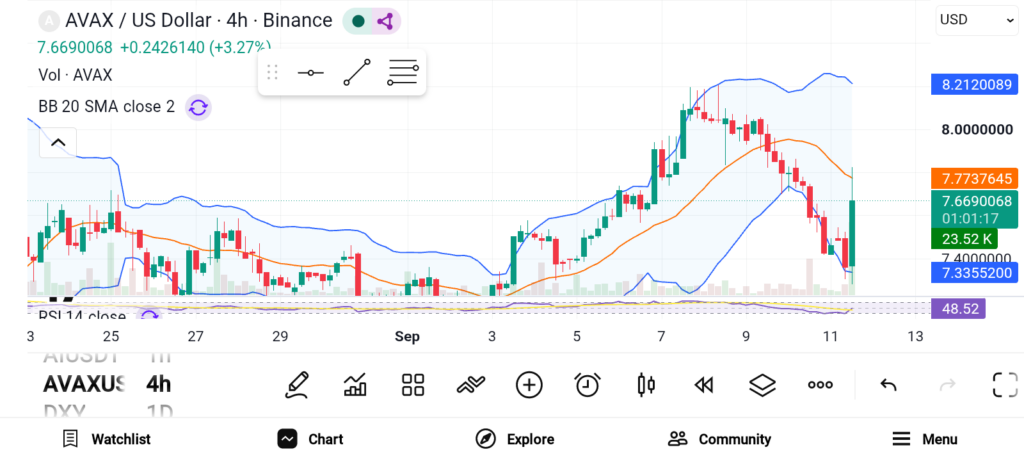
Avalanche stands out through a strong focus on scalable blockchain infrastructure. The network supports multiple blockchain environments for different applications and use cases. This flexibility gives developers more freedom when designing specialized networks. Developers can build systems around specific needs instead of relying on one structure. Such flexibility could become valuable as blockchain adoption spreads across finance, gaming, and other digital sectors. That approach could support Avalanche as blockchain adoption expands across different industries. Applications need reliable networks that can process transactions without sacrificing flexibility. Avalanche addresses this demand through an architecture built for varied blockchain environments. Investors seeking infrastructure-focused altcoins may therefore consider AVAX as market conditions improve.
Litecoin Keeps a Clear Payment Focus
 Source: Trading View
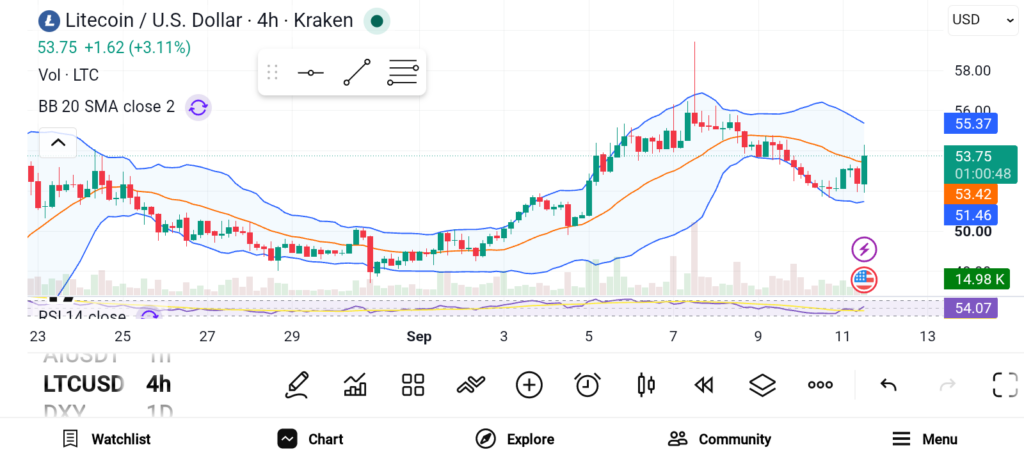
Litecoin offers a very different investment story from infrastructure-focused networks. The cryptocurrency launched with a simple goal centered on peer-to-peer digital payments. Litecoin uses proof of work and supports relatively fast transactions. Such a straightforward purpose has helped the network remain recognizable across multiple market cycles. The project also benefits from years of operating history and broad awareness among crypto users. Newer blockchains often compete through smart contracts, applications, and specialized infrastructure. Litecoin follows a more focused path through payments and transaction utility. That clear purpose gives LTC a distinct position among established altcoins. Investors who prefer proven networks may find Litecoin worth watching during renewed market strength. LTC could also attract buyers seeking exposure to an established proof-of-work asset.
TRON Targets Smart Contracts and Digital Applications
 Source: Trading View
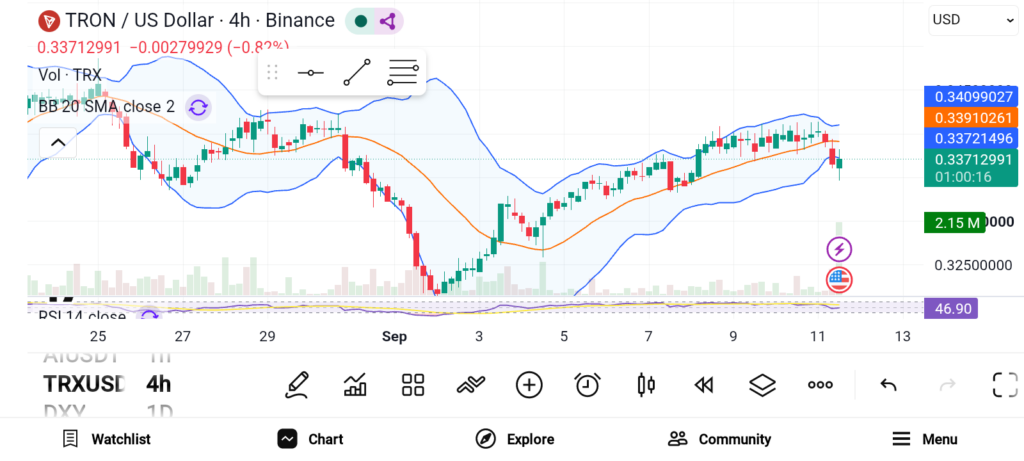
TRON brings another angle through smart contracts and decentralized applications. Developers can create programs that execute through the TRON Virtual Machine. The network also supports compatibility with many Ethereum Virtual Machine opcodes. Such compatibility can help developers build and adapt applications within the TRON ecosystem. This technical foundation gives TRON broader functionality than payment-focused cryptocurrencies. TRON has developed around decentralized applications, tokens, and digital asset transfers. This broad functionality gives TRX exposure to several areas within blockchain activity. Rising market confidence could increase attention toward networks with active application ecosystems.
Avalanche offers flexible infrastructure for developers building specialized blockchain networks. Litecoin provides a long-running payment network with a simple use case. TRON combines smart contracts, decentralized applications, tokens, and digital transfers.Together, these projects provide diverse options as improving market conditions attract altcoin buyers.